Navien Tankless Water Heater Manual: A Comprehensive Guide
Navien tankless water heaters offer efficient, on-demand hot water, but understanding their operation requires a detailed manual.
This guide provides essential information for installation, maintenance, and troubleshooting, ensuring optimal performance and longevity of your unit.
Addressing error codes promptly minimizes downtime, extending the lifespan and ensuring peak efficiency, as detailed in various online resources.
Proper condensate drain installation is crucial for condensing models, preventing issues and maintaining consistent hot water delivery, as highlighted by Reddit discussions.
Regular maintenance, including air filter cleaning and addressing potential blockages, is vital for reliable operation, as emphasized by plumbing professionals.
Navien has emerged as a leading innovator in tankless water heating technology, offering a diverse range of high-efficiency models for residential and commercial applications. Unlike traditional tank water heaters that continuously heat and store water, Navien tankless units heat water only when it’s needed, eliminating standby heat loss and significantly reducing energy consumption. This on-demand heating provides an endless supply of hot water, making them ideal for households with high hot water demands.
Understanding the core principles of Navien tankless technology is crucial for maximizing its benefits. These systems utilize advanced features like dual stainless steel heat exchangers, ComfortFlow technology, and self-diagnostics for reliable performance. Proper installation and regular maintenance, as outlined in the comprehensive manual, are essential for ensuring optimal efficiency and longevity. The manual details specific error codes, like E001 and E003, aiding in quick troubleshooting and minimizing downtime. Furthermore, the manual emphasizes the importance of addressing potential issues like lukewarm water, often linked to dielectric unions and check valves.
Understanding Tankless Technology
Tankless water heaters represent a significant advancement over conventional storage tank systems. They heat water directly without the need for a reservoir, offering several key advantages. Eliminating standby heat loss translates to substantial energy savings, reducing monthly utility bills. The compact design of tankless units saves valuable space, making them suitable for various installation locations.
Navien’s tankless technology incorporates condensing and non-condensing models, each with unique characteristics. Condensing models achieve higher efficiencies by utilizing exhaust gases to preheat incoming water, requiring a condensate drain to manage the resulting byproduct. Understanding this distinction is vital, as highlighted in online forums discussing potential issues like missing condensate drains. Furthermore, features like flow sensors and flame sensors are integral to the operation, and their malfunction can trigger specific error codes, such as E010 and E003, detailed within the Navien manual for effective troubleshooting.
Installation and Setup
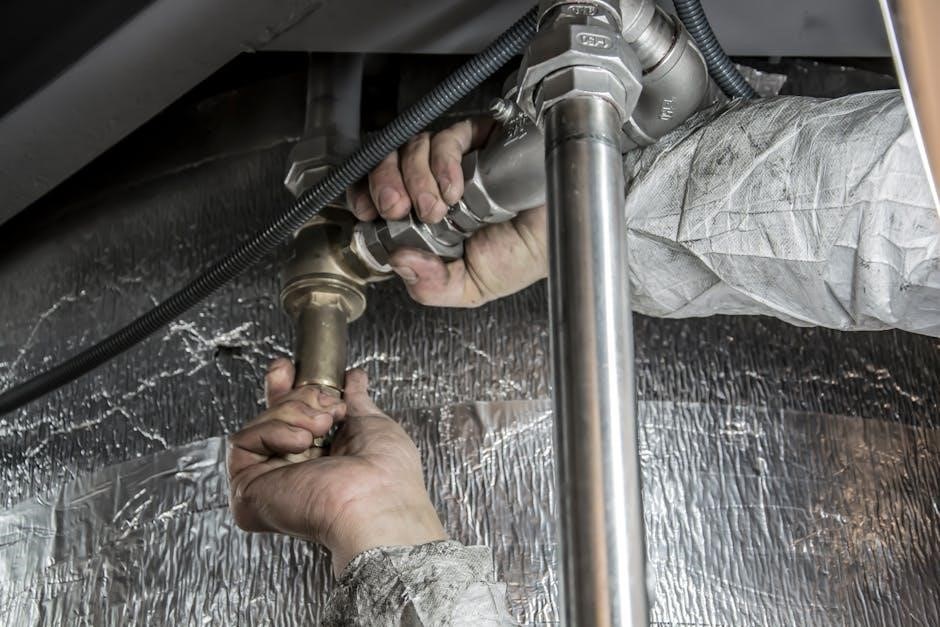
Proper installation is paramount for optimal performance and safety; professional installation is highly recommended, ensuring correct gas, water, and condensate connections are made.
Professional Installation Requirements
Navien tankless water heaters demand meticulous installation adhering to local codes and manufacturer guidelines. Qualified plumbers and HVAC technicians, possessing relevant certifications, are essential for safe and efficient setup. This includes verifying appropriate gas supply sizing, ensuring correct venting for exhaust gases, and establishing a proper condensate drain line for condensing models – a frequent point of concern, as noted in online forums.
Electrical connections must meet specified voltage and amperage requirements. Technicians should thoroughly inspect all connections for leaks and proper operation post-installation. Ignoring these requirements can void warranties and create hazardous conditions, including potential carbon monoxide exposure. Professional installers understand the nuances of dielectric unions and check valves, crucial for preventing lukewarm water issues, as discussed in plumbing communities. A comprehensive understanding of Navien’s specific installation manual is non-negotiable.
Gas Supply and Connection
Navien tankless water heaters require a dedicated gas supply line, sized appropriately for the unit’s BTU input. A qualified professional must verify gas pressure meets manufacturer specifications, utilizing a manometer for accurate readings. Black iron pipe or approved flexible gas connectors are typically used, ensuring tight connections sealed with gas-rated pipe dope.
Shut-off valves are mandatory both upstream and downstream of the heater for maintenance and emergencies. Leak testing with a soap solution is crucial after all connections are made. Proper venting is paramount; incorrect venting can lead to carbon monoxide buildup. The gas supply line must adhere to all local and national codes. Ignoring these precautions poses significant safety risks, potentially causing gas leaks or explosions. Always consult the installation manual for specific gas connection requirements.
Water Supply and Connection
Navien tankless water heaters necessitate a robust water supply line, typically ¾-inch copper or PEX tubing, ensuring adequate flow for optimal performance. Dielectric unions are essential at both the inlet and outlet to prevent galvanic corrosion between dissimilar metals, a common issue leading to lukewarm water, as reported by plumbing forums.
A full-port ball valve should be installed upstream for shut-off during maintenance. Water pressure must fall within the manufacturer’s specified range; excessive pressure requires a pressure reducing valve. Proper grounding is vital to prevent electrical shock. Check valves prevent backflow, maintaining water integrity. Thoroughly flush the lines before connecting to remove debris. Incorrect water connections can lead to leaks, reduced efficiency, and potential damage to the unit.
Condensate Drain Installation – Crucial for Condensing Models
Navien condensing tankless water heaters produce acidic condensate as a byproduct of the combustion process, requiring a dedicated drain line for proper disposal. This is absolutely critical; failure to install a condensate drain will cause the unit to shut down and potentially damage internal components, as frequently discussed on home improvement forums.
The drain line, typically PVC, must slope continuously downward, preventing backflow and clogs. It should terminate in a visible location, allowing for easy inspection. Avoid direct connection to the sewer system; an air gap is recommended to prevent sewer gases from entering the unit. Proper venting and insulation of the drain line are also important to prevent freezing in colder climates.
Operation and Maintenance
Regular upkeep ensures peak performance and longevity of your Navien unit. This includes initial startup procedures, scheduled maintenance, and diligent air filter care for optimal efficiency.
Initial Startup Procedure
Before the first use, thoroughly flush the system to remove any debris or air trapped during installation. Ensure both the cold and hot water valves are open, allowing water to flow freely through the unit. Power on the Navien tankless water heater and carefully monitor the display panel for any error codes, addressing them immediately if they appear.
Allow the unit to run for several minutes, observing the water temperature as it stabilizes. Check for any leaks around the connections, tightening them if necessary. Verify proper gas supply and ignition. It’s crucial to confirm the condensate drain is functioning correctly, especially for condensing models, to prevent error codes and ensure efficient operation.
Familiarize yourself with the control panel and adjust settings to your desired temperature. Regularly inspect the air filter during initial operation to ensure it remains clean and unobstructed, contributing to optimal performance and preventing potential issues.
Regular Maintenance Schedule
To maintain peak performance, a consistent maintenance schedule is vital for your Navien tankless water heater. Annually, a qualified technician should inspect the unit for proper operation, checking gas pressure, venting, and combustion efficiency.
Every six months, inspect and clean the air filter, preventing debris buildup that can hinder performance and trigger error codes. Flush the system to remove any sediment or scale accumulation, ensuring optimal heat transfer and preventing blockages. Regularly check the condensate drain for obstructions, particularly crucial for condensing models, to avoid water damage and operational issues.
Periodically inspect water connections for leaks and corrosion, addressing any concerns promptly. Following this schedule extends the lifespan of your unit, minimizes repairs, and ensures consistent, efficient hot water delivery.
Air Filter Cleaning and Replacement
Maintaining a clean air filter is paramount for optimal Navien tankless water heater performance. A clogged filter restricts airflow, leading to reduced efficiency, potential ignition failures (Error Code E001), and even system shutdowns. Inspect the air filter monthly, and clean it every three to six months, depending on environmental dust levels.
To clean, gently remove the filter and vacuum away loose debris. For stubborn dirt, rinse with mild soap and water, ensuring it’s completely dry before reinstalling. Replacement is recommended annually, or sooner if the filter appears damaged or excessively dirty.
Always turn off the power to the unit before accessing the filter. A clean filter ensures proper combustion, protects internal components, and maintains consistent hot water delivery, contributing to the longevity of your system.

Troubleshooting Common Issues
Navien tankless heaters display error codes for quick diagnosis; common issues include ignition failure (E001), flame sensor problems (E003), and overheat protection (E006).
Error Code E001: Ignition Failure
Error Code E001 on your Navien tankless water heater signifies an ignition failure, meaning the unit is unable to ignite the burner to produce heat. Several factors can contribute to this issue, requiring a systematic approach to troubleshooting. A primary cause is often a problem with the gas supply – verify the gas valve is fully open and that there isn’t a disruption in gas service.
Another frequent culprit is a blocked or dirty air filter, restricting airflow necessary for proper combustion. Regularly cleaning or replacing the air filter is crucial preventative maintenance. A damaged ignition device itself can also be the source of the problem, potentially requiring professional replacement. Furthermore, check for any obstructions within the burner assembly. The Water Heater Company highlights these potential causes, emphasizing a methodical check of gas supply, airflow, and ignition components when encountering this error code.
Error Code E003: Flame Sensor Issue
Error Code E003 indicates a problem with the flame sensor, a critical component responsible for verifying the presence of a flame during operation. If the flame sensor doesn’t detect a flame, the unit will shut down as a safety precaution, triggering this error. A common cause is a dirty or corroded flame sensor, preventing it from accurately sensing the flame. Carefully cleaning the flame sensor with fine steel wool can often resolve the issue.
However, a faulty flame sensor may require replacement by a qualified technician. Wiring issues connecting the flame sensor to the control board can also cause this error, necessitating inspection of the wiring and connections. The Water Heater Company emphasizes the importance of a functioning flame sensor for safe and efficient operation. Addressing this promptly prevents potential hazards and restores reliable hot water supply.
Error Code E006: Overheat Protection
Error Code E006 signals that the Navien tankless water heater’s overheat protection system has been activated. This is a critical safety feature designed to prevent damage to the unit and potential hazards. The primary cause is often restricted water flow, preventing adequate heat dissipation. Inspect the water inlet filter for blockages, as sediment or debris can significantly reduce flow.
Another potential cause is a malfunctioning circulation pump, if your model utilizes one. A failing pump can’t effectively move water through the heat exchanger. Additionally, scale buildup within the heat exchanger itself can impede heat transfer and trigger the overheat protection. Professional descaling may be required. Addressing this error promptly is crucial to avoid further damage and ensure safe operation, as highlighted by troubleshooting guides.
Error Code E010: Water Flow Sensor Problem
Error Code E010 indicates a malfunction with the Navien tankless water heater’s water flow sensor. This sensor is vital for detecting water movement, initiating the heating process only when demand exists. A faulty sensor can prevent the unit from firing, even when hot water is needed, or cause erratic operation. The most common cause is a failing sensor itself, requiring replacement by a qualified technician.
However, low water pressure can also mimic a sensor failure, so verifying adequate incoming pressure is essential. Additionally, debris or air pockets within the water lines can interfere with accurate flow detection. Inspecting and cleaning the inlet filter is a good first step. Proper diagnosis and repair are crucial for restoring reliable hot water supply, as detailed in online troubleshooting resources.
Error Code E015: Low Water Pressure
Error Code E015 on a Navien tankless water heater signals insufficient water pressure, preventing proper operation. Tankless heaters require a minimum flow rate to activate the heating system; low pressure falls below this threshold. This can manifest as lukewarm water or the heater failing to ignite. First, verify that other water fixtures aren’t simultaneously drawing water, reducing pressure to the unit.
Check the main water supply valve to ensure it’s fully open. Inspect the inlet filter for blockages, as sediment buildup restricts flow. Dielectric unions, if present, can also become constricted over time due to corrosion, hindering water passage. If the issue persists, a pressure regulator might be faulty or the incoming water pressure is genuinely too low, necessitating professional evaluation and potential adjustments.
Error Code E016: High Limit Switch Activated
Error Code E016 indicates the Navien tankless water heater’s high limit switch has been activated, a safety mechanism preventing overheating. This typically occurs when the unit struggles to dissipate heat effectively. Potential causes include restricted airflow, often due to a blocked exhaust vent, or insufficient water flow preventing proper heat exchange. A malfunctioning circulation pump, if equipped, can also contribute to this issue.
Immediately turn off the heater and investigate the exhaust vent for obstructions like bird nests or debris. Verify adequate water flow by checking inlet filters and dielectric unions for blockages. If these checks don’t resolve the problem, a faulty high limit switch or a more serious internal component failure may require professional diagnosis and repair. Ignoring this error can lead to significant damage.
Lukewarm Water Issues: Dielectric Unions & Check Valves
Experiencing lukewarm water from your Navien tankless heater often points to restrictions in the water flow. A common culprit is corrosion or buildup within the dielectric unions, located on both the inlet and outlet of the unit. These unions prevent galvanic corrosion but can become almost completely blocked over time, severely limiting water passage. Replacing them is often a straightforward fix.
Additionally, a faulty or improperly installed check valve can hinder water flow, especially if it’s offering excessive resistance. Ensure the check valve is oriented correctly, allowing water to flow into the heater. Inspect for debris or internal damage. Addressing these components can restore optimal water temperature and performance, as frequently discussed in online plumbing forums.
Advanced Troubleshooting
Resolving complex issues requires identifying and clearing blockages within the water inlet, alongside addressing any problems with the condensate drain system for optimal function.
Identifying and Addressing Blockages in Water Inlet
A common cause of performance issues in Navien tankless water heaters is a blockage in the water inlet. Reduced water flow can lead to lukewarm water or even error codes like E015 (Low Water Pressure). Begin by shutting off the water supply to the unit. Carefully inspect the inlet filter for sediment, rust, or debris.
Dielectric unions, installed on both the inlet and outlet, are prone to corrosion and can become almost completely blocked over time, as noted in plumbing forums. Remove the unions and thoroughly clean or replace them if necessary.
After cleaning the filter and unions, flush the water line to remove any remaining debris before reconnecting everything. Ensure proper reassembly to prevent leaks. If the issue persists, a more thorough inspection of the inlet pipe itself may be required to identify and remove any further obstructions.
Dealing with Condensate Drain Issues
Condensing Navien tankless water heaters produce acidic condensate as a byproduct of the combustion process, requiring a properly functioning drain system. A clogged drain line is a frequent issue, often leading to error codes and potential unit shutdown. Regularly inspect the condensate drain line for obstructions like algae, mineral buildup, or debris.

Flushing the drain line with a solution of water and vinegar can help dissolve buildup. Ensure the drain line has a proper trap to prevent sewer gases from entering the unit. Verify the drain line isn’t kinked or improperly sloped, hindering drainage.
Reddit discussions emphasize the necessity of a condensate drain for all gas appliances exhausting outside. If problems persist, professional cleaning or replacement of the drain line may be necessary to restore proper operation and prevent damage.

Safety Precautions
Always prioritize safety when working with a Navien tankless water heater; promptly detect gas leaks and ensure carbon monoxide detectors are functional for protection.
Gas Leak Detection
Detecting gas leaks is paramount for safe operation of your Navien tankless water heater. If you suspect a leak, do not operate any electrical switches, as this could ignite the gas. Immediately evacuate the premises and contact your gas company or fire department from a safe location.
The distinctive odor of natural gas, often described as a sulfur-like or rotten egg smell, is a key indicator. However, reliance on smell alone isn’t sufficient, as olfactory fatigue can occur. Regularly inspect gas connections, including the supply line and connections to the heater, for any visible signs of damage or corrosion.
Consider investing in a natural gas detector, strategically placed near the water heater, to provide an early warning system. These detectors sound an alarm upon detecting even small concentrations of gas. Remember, a proactive approach to gas leak detection can prevent potentially dangerous situations and ensure the safety of your home and family.
Carbon Monoxide Safety

Carbon monoxide (CO) is a colorless, odorless, and deadly gas produced by the combustion of fuels, including natural gas used by your Navien tankless water heater. Proper ventilation is crucial to prevent CO buildup inside your home. Ensure the water heater’s exhaust vent is unobstructed and functioning correctly, directing exhaust gases safely outdoors.
Install carbon monoxide detectors on every level of your home, especially near sleeping areas. Regularly test these detectors to ensure they are operational. Familiarize yourself with the symptoms of CO poisoning – headache, dizziness, weakness, nausea, vomiting, and confusion – and seek immediate medical attention if suspected.
Never ignore a CO alarm. If the alarm sounds, evacuate the premises immediately and call emergency services; Regular professional inspections of your water heater and venting system are vital to ensure safe operation and prevent CO leaks, safeguarding your family’s health.