
Program Overview
Our 800m training PDF outlines a balanced mix of speed, endurance, and recovery drills. It details weekly periodization, interval sets, tempo runs, mobility work, and nutrition plans. Designed for coaches and athletes, it offers clear, actionable guidance. Download the PDF to customize your training.
Purpose and Key Components of an 800m Training PDF
The 800m training PDF is a brief guide that blends speed, endurance, and recovery into a plan. It presents key concepts—interval work, tempo runs, and active rest—alongside charts and tracking sheets. Designed for athletes and coaches, it offers pacing cues, progression, and periodization templates.
Speed work focuses on 200‑m sprints at near‑max effort, 400‑m repeats that simulate race pacing, and mixed‑distance drills that build acceleration. Each set includes rest intervals, tempo cues, and progression markers to improve lactate tolerance and speed endurance. and power development. daily.! now
Aerobic training includes tempo runs, threshold sessions, and long‑run strategies that raise lactate threshold while maintaining efficient mechanics. The plan builds VO₂max, muscular endurance, and running economy through progressive mileage and pacing cues. Recovery balance ensures peak gains.
Recovery sessions focus on active rest, mobility drills, and strength work. They help prevent overtraining, improve joint health, and support muscle repair for sustained performance daily.!
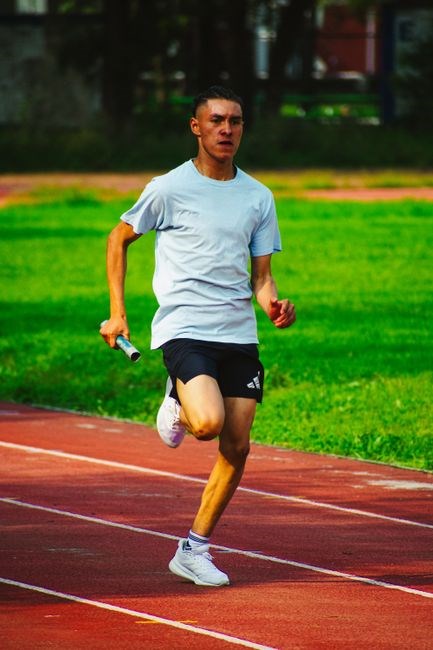
Tools include weekly periodization charts, progress sheets, and downloadable templates. These resources empower athletes to track metrics, adjust workloads, and stay motivated. They also provide sample PDFs for quick reference. Additionally, the PDF offers interface and printable quick version.!
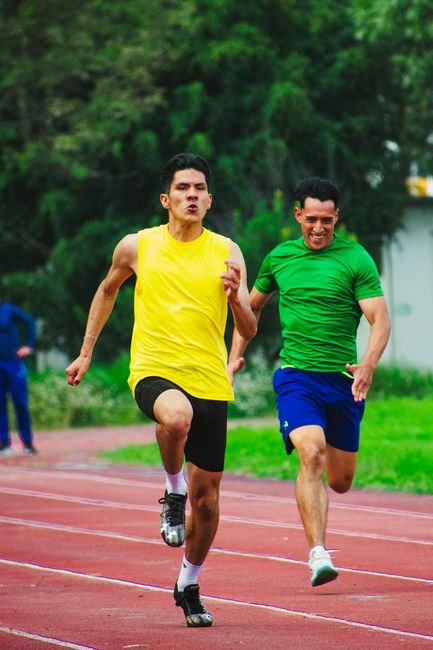
Weekly Structure
Each week balances speed, endurance, and recovery. A typical 8‑week cycle starts with light intervals, ramps to hard 400‑m repeats, adds tempo runs, then peels back for active rest. Progression charts guide load, volume, and intensity for peak race day. Peak performance.
Typical 8-Week Periodization Plan
Week 1–2 (Base): 10–12 km easy runs, 4×200 m strides, 2×400 m at 70 % effort. Focus on aerobic base, economy, and technique. Include a 5‑km tempo run at 75 % HR. Rest days: mobility and light cross‑training.
Week 3–4 (Build): 14 km total. Add 4×400 m at 80 % effort, 3×200 m fast, 6‑km tempo at 80 % HR. Add 1×800 m at 70 % effort. Strength: core, glutes, plyometrics 2×/week.

Week 5–6 (Peak): 12 km total. 5×400 m at 90 % effort, 4×200 m at 95 % effort, 1×800 m at 85 % effort. 2×400 m at 100 % effort. Focus on speed endurance, race‑pace drills, mental rehearsal.
Week 7 (Taper): 8 km easy, 3×400 m at 85 % effort, 2×200 m at 90 % effort, 1×400 m at race pace. Reduce volume 30 %. Active recovery: foam, yoga, light tempo. Strength 1×/week low intensity.
Week 8 (Race): Light warm‑up, 2×200 m strides, dynamic drills, 400 m at race pace. Focus on breathing, visualization. Post‑race cool‑down, nutrition to replenish glycogen and protein.
Recovery: after hard sessions, 20‑min low‑intensity jog, stretch, hydrate. Cross‑train cycling/swim 1–2×/week. Sleep 8–9 h, monitor quality. Reduce volume if fatigue >6/10.
Key principles: progressive overload, periodized intensity, recovery, specificity. Log mileage, RPE, HR zones, fatigue. Adjust plan from weekly data and competition schedule. Supports peak performance, injury prevention.
Monitoring: Use a training log to track session RPE, heart rate, and subjective fatigue. Weekly reviews help identify overreaching and guide adjustments. Visualize race strategy and mental cues during workouts.
Hydration and nutrition are essential.
The PDF offers downloadable charts for mileage, intensity, and log template.

Speed Workouts
Speed sessions focus on 400m repeats, 200m sprints, and tempo drills. Each workout balances intensity, rest, and technique. Include warm‑ups, strides, and cool‑downs. Track RPE, heart rate, and lap times to fine‑tune pacing and power output. Use progressive overload and monitor recovery to avoid pain
Interval Sets for 400m Repeats and 200m Sprints
Begin each session with a dynamic warm‑up: 10‑minute jog, high‑knee drills, butt kicks, and 4–6 strides. For 400m repeats, schedule 4–6 sets at 90–95% effort, spaced 4–5 minutes of active recovery (light jog or walk). Aim for a consistent split, gradually decreasing lap time by 0.5–1.0 seconds per week. Incorporate a “negative split” drill: first 200m slightly slower, second 200m faster, to build pacing strategy.
For 200m sprints, perform 8–10 repetitions at 95–100% effort with 3–4 minutes of rest. Focus on explosive starts, maximal velocity, and maintaining form through the final 20 meters. Include a “speed endurance” set: 4×200m at 90% effort with 2 minutes rest, emphasizing sustained top speed. Use a metronome or pacing device to keep consistent intervals.
Recovery between sets is critical: walk or jog 200–300 meters, hydrate, and perform light mobility work. After the final set, cool down with 5–10 minutes of easy running, followed by static stretching. Log times, perceived effort, and any muscle soreness to adjust future workouts. This structured approach builds both anaerobic power and lactic tolerance essential for 800m performance;

Optional warm‑up variations include ladder drills, bounding, and short acceleration blocks to refine neuromuscular coordination. Post‑workout mobility should target hip flexors, hamstrings, and calves, using foam‑rolling and static stretches. Consistent sleep, hydration, and nutrition support recovery, allowing athletes to hit peak performance during each interval set. Athletes should also monitor heart rate variability to fine‑tune training load. Weekly periodization ensures progressive overload while preventing overtraining.
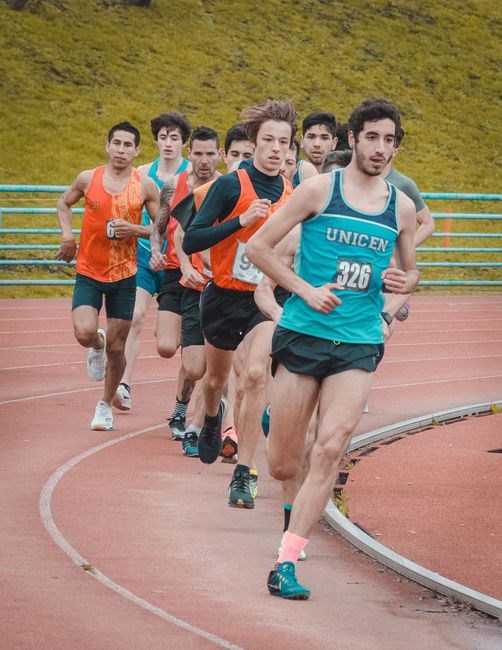
Endurance Sessions
Longer tempo runs build aerobic base, aiming 5–7 km at 70–75% max heart rate. Mix in 3–4 km at race pace to sharpen lactate threshold. Finish each session with a cool‑down jog and dynamic stretches to aid recovery and flexibility. Add hill repeats for power and endurance!!
Tempo Runs and Long-Run Strategies
Tempo runs are the cornerstone of aerobic development for 800m specialists. They should be run at a “comfortably hard” pace—roughly 80–85% of maximum heart rate or 15–20 seconds slower than the target 800m race pace. A typical tempo session ranges from 3 km to 5 km, with a warm‑up of 1 km easy, a 1–2 km tempo segment, and a cool‑down of 1 km. The goal is to train the body to sustain a high lactate threshold without accumulating excessive fatigue.
Long‑run strategies complement tempo work by expanding overall stamina and mental resilience. For 800m athletes, a weekly long run of 7–10 km at a conversational pace (about 60–70% of max HR) helps build a robust aerobic base. Incorporate a “progressive” element: start at 60% HR, gradually increase to 70% over the final 2 km over the final 2 km, and finish with a 1‑km “speed burst” at 85% HR to simulate race‑like intensity. This progressive long run trains both the cardiovascular system and the nervous system to handle sustained effort.
Recovery between tempo and long runs is critical. Schedule at least 48 hours of rest or active recovery (light jog, cycling, or swimming) to allow glycogen stores to replenish and muscle fibers to repair. Use foam rolling, dynamic stretching, and mobility drills to maintain soft‑tissue health. Periodically replace a tempo or long run with a hill‑sprint session to improve leg turnover and power, ensuring the athlete remains adaptable and injury‑free. Stay consistent. Every day.

Recovery and Cross-Training
Active rest, and strength work are essential for 800m athletes. Light jogs, cycling, or swimming aid recovery, while foam‑rolling stretches improve flexibility. Core and leg‑strength sessions build resilience, reduce injury risk, and enhance race speed daily!!.
Active Rest, Mobility, and Strength Conditioning
Active rest days are a cornerstone of the 800m program, allowing lactate clearance while maintaining a low‑intensity stimulus. Light jogs, brisk walks, or easy cycling for 20–30 minutes keep the blood flowing without adding fatigue. Incorporating dynamic mobility routines—leg swings, hip circles, and ankle rolls—prevents stiffness and preserves range of motion critical for the explosive start and mid‑race acceleration.
Strength conditioning focuses on functional power rather than bulk. Plyometric drills such as bounding, single‑leg hops, and box jumps develop fast‑twitch fibers that translate directly to race speed. Core stability exercises—planks, side planks, and dead bugs—enhance torso control, reducing energy leakage during the final 200 meters.
Recovery protocols extend beyond the gym. Foam‑rolling sessions target the quadriceps, hamstrings, calves, and glutes, all with moderate load and high repetition to build muscular endurance.
Nutrition and hydration complement these training elements. Consuming a balanced mix of carbohydrates, proteins, and healthy fats within 30 minutes post‑session aids muscle repair. Adequate hydration—aiming for 2–3 liters per day—supports metabolic clearance. A short, low‑intensity cross‑training session, such as a 45‑minute swim, promotes active recovery while keeping the athlete engaged.
By integrating these recovery strategies, athletes maintain peak performance while minimizing injury risk, ensuring consistent progress throughout the season
Nutrition and Hydration Guidelines
Fuel the 800m athlete with a balanced mix of carbs, lean protein, and healthy fats. Pre‑workout meals should be carb‑rich, moderate protein, low fat. Post‑session, prioritize protein and carbs for recovery. Hydrate 2–3 L daily, sipping water or electrolyte drinks during training. Stay consistent!!!
Pre- and Post-Workout Meal Plans for 800m Athletes
Pre‑workout meals for 800m runners should arrive 90–120 minutes before training, focusing on easily digestible carbohydrates to prime glycogen stores, a moderate protein source for muscle support, and minimal fat to avoid gastrointestinal distress. The banana supplies quick glucose, the almonds add protein and healthy fats, while the toast delivers complex carbs for sustained energy. If the athlete prefers a more substantial pre‑session snack, a small bowl of oatmeal mixed with skim milk, a drizzle of honey, a sprinkle of chia seeds works well; the oats provide soluble fiber that slows digestion, the milk offers a lean protein source, and the honey supplies a rapid glucose burst. Timing is crucial: consuming the meal too close to the workout can cause cramping, whereas a longer window allows for optimal digestion and glycogen loading.
Post‑workout nutrition is essential for recovery, muscle repair, and glycogen replenishment. Within 30 minutes after training, athletes should aim for a 3:1 ratio of carbohydrates to protein to maximize glycogen restoration and stimulate muscle protein synthesis. A balanced post‑exercise plate might include grilled chicken breast, quinoa, and steamed broccoli, complemented by a side of mixed berries. The chicken delivers high‑quality protein, quinoa supplies complex carbs and additional protein, broccoli adds micronutrients, and berries provide antioxidants that aid in reducing oxidative stress. For those who prefer a quick fix, a protein shake blended with a banana and a scoop of whey protein can be effective; the banana offers carbs, whey protein supplies essential amino acids, and the shake’s liquid form facilitates rapid absorption. Hydration should continue, drink electrolyte beverage to replace fluid losses

Progress Monitoring and PDF Resources
Track weekly times, heart rate, and perceived effort. Use the downloadable PDF log to record splits, recovery, and training load. Review data monthly to adjust volume and intensity, ensuring progressive overload while preventing injury. daily focus sessio
How to Track Progress and Download Sample PDFs
Monitoring progress in an 800m program demands a structured approach that blends objective metrics with subjective feedback. Begin by establishing a baseline: record a 400m time, a 1‑mile time, and a VO₂max estimate. Each week, log the following in a dedicated spreadsheet or the provided PDF log: race times, split times for each 200m segment, heart‑rate zones, perceived exertion (RPE 1‑10), and recovery quality (sleep hours, soreness level). Use a simple color‑coding scheme—green for on‑target, yellow for slight variance, red for off‑track—to quickly visualize trends. Every two weeks, perform a mini‑taper: reduce volume by 20% while maintaining intensity, then assess whether the athlete’s 400m time has improved by at least 0.5 seconds. If not, revisit the interval structure or recovery protocol. The downloadable PDF includes templates for weekly logs, a master calendar, and a progress dashboard that automatically calculates percent improvement and flags potential overtraining. To keep motivation high, set quarterly mini‑goals (e.g., 1‑% improvement in 800m time) and celebrate milestones with a small reward. Finally, schedule a quarterly review meeting to compare logged data against the periodization plan, adjust training loads, and update nutrition or cross‑training recommendations. Consistent, data‑driven tracking turns raw effort into measurable performance gains.
For athletes who prefer visual dashboards, the PDF offers a built‑in graphing tool that plots 800m times against training load, revealing the classic inverse relationship between volume spikes and performance dips. Coaches can annotate the chart with notes on weather, track surface, or psychological factors, ensuring a holistic view. Additionally, the log includes a section for weekly reflections, prompting athletes to record mental state, confidence level, and any external stressors. This qualitative data, when cross‑referenced with quantitative metrics, provides a richer context for coaching decisions. The PDF also contains a “What‑If” scenario worksheet: by adjusting variables such as rest days or interval repetitions, athletes can simulate potential outcomes and choose the most balanced plan. Download the full set of templates from the program’s resource hub, and remember to update the log after every session to maintain data integrity.
Consistency fuels daily gain.