Zojirushi Bread Machine Manual BB-HAC10: A Comprehensive Guide
This guide delves into the Zojirushi BB-HAC10‚ offering insights gleaned from seasoned users spanning 15 years of experience. Precise ingredient measurement‚ utilizing a kitchen scale‚ is paramount for optimal results‚ alongside understanding ingredient order and yeast placement techniques for consistently light and airy loaves.
The Zojirushi BB-HAC10 bread machine stands as a testament to enduring quality‚ with many users reporting satisfaction after over a decade of consistent use. This model is celebrated for its ability to consistently produce delicious‚ fluffy bread‚ though individual preferences for texture and taste naturally vary. It’s a versatile appliance capable of crafting not only standard loaves but also specialized creations like pizza dough with remarkable ease and predictable success.
Understanding the nuances of this machine unlocks a world of baking possibilities. While boasting numerous pre-programmed settings‚ experienced bakers often find the core functionality – firmness and crust control – most impactful. The BB-HAC10 isn’t merely an appliance; it’s a tool for experimentation‚ allowing users to tailor recipes to their specific flour types and kitchen environments. Whether you’re a novice or a seasoned bread maker‚ this guide aims to empower you to create your perfect loaf.
Key Features and Benefits
The Zojirushi BB-HAC10 distinguishes itself through its precision and reliability‚ consistently delivering high-quality results. A standout benefit is its intuitive operation; the machine handles the kneading‚ rising‚ and baking processes automatically‚ requiring minimal user intervention beyond ingredient preparation. The “Add” beep function is particularly useful for incorporating additions like raisins or cinnamon at the optimal moment during the cycle.
Beyond basic bread‚ the BB-HAC10 excels at diverse recipes‚ including sourdough‚ leveraging settings like the “French Bread” option for extended fermentation times. Its adaptability to different flour types – accounting for varying absorption rates – and ambient kitchen conditions ensures consistent outcomes. Users praise its ability to produce light‚ airy loaves with a fresh‚ homemade flavor. Long-term durability is another key benefit‚ with reports of machines functioning flawlessly for 15 years or more‚ making it a worthwhile investment.
Understanding the Control Panel
The Zojirushi BB-HAC10’s control panel offers various settings‚ though many users find the firmness and crust controls most impactful‚ alongside specialized gluten-free and French bread options.
Button Functions Explained
The Zojirushi BB-HAC10 boasts a range of buttons‚ each controlling a specific aspect of the baking process. While numerous settings exist‚ experienced bakers suggest focusing on core functionalities for consistently excellent results. The machine initiates a 15-minute rest period after ingredient addition‚ allowing everything to reach an optimal temperature before the kneading and rising phases begin.
The “Add” beep signals the ideal moment to incorporate additional ingredients‚ such as raisins or cinnamon‚ for enriched bread varieties. Mastering this timing ensures even distribution throughout the loaf. Beyond this‚ the machine’s settings for gluten-free baking and specific French bread styles prove particularly useful. However‚ many users find the remaining pre-programmed options less critical to achieving a delicious‚ fluffy loaf. Understanding the interplay between firmness and crust settings is key to tailoring the final product to individual preferences‚ offering a degree of customization beyond the automated cycles.
Display Indicators and Their Meaning
The Zojirushi BB-HAC10’s display panel provides crucial feedback throughout the baking cycle. Understanding these indicators is vital for monitoring progress and ensuring optimal results. The initial display will show the selected course and estimated baking time. During the pre-heating and initial kneading phase‚ the display will indicate the current stage of the process.
The “Add” indicator illuminates when it’s time to incorporate additional ingredients‚ a feature particularly useful for recipes like cinnamon raisin bread. Pay close attention to the timing of this signal to ensure even distribution. The display also reflects adjustments made to firmness and crust settings‚ allowing users to customize their loaf. Experienced bakers emphasize that while the machine offers numerous settings‚ focusing on these core controls—along with careful ingredient measurement—yields the most consistent and satisfying outcomes. Observing the display helps anticipate the final rise and baking stages‚ contributing to a perfectly baked loaf.

Essential Baking Techniques
Mastering bread baking with the BB-HAC10 hinges on precision: exact ingredient measurements‚ proper order‚ and strategic yeast placement are key to achieving consistently delicious results.
Precise Ingredient Measurement
Achieving consistently excellent results with your Zojirushi BB-HAC10 bread machine fundamentally relies on the accuracy of your ingredient measurements. Users consistently emphasize the critical importance of moving beyond volume-based measurements – cups and spoons – and embracing the precision of a kitchen scale. Specifically‚ weighing ingredients to the gram level is highly recommended.
This level of detail isn’t merely about following a recipe; it addresses the inherent variability in ingredient densities. A cup of flour‚ for example‚ can vary significantly in weight depending on how it’s packed. Different flour types also absorb liquids differently‚ even those labeled with the same name‚ necessitating adjustments to water levels.
By utilizing a scale‚ you eliminate these inconsistencies‚ ensuring that each loaf is baked with the exact proportions required for optimal texture and flavor. This meticulous approach is particularly crucial when experimenting with different flour varieties or adapting recipes. Remember‚ even slight deviations can impact the final outcome‚ so invest in a reliable kitchen scale for consistently superior bread.
The Importance of Ingredient Order
The Zojirushi BB-HAC10‚ like many bread machines‚ operates on a carefully timed sequence‚ making the order in which you add ingredients surprisingly crucial. Experienced bakers consistently advise adhering strictly to the recipe’s specified order‚ as it directly impacts the initial mixing process and subsequent rise;
Typically‚ liquids are added first‚ followed by dry ingredients. However‚ a specific technique for yeast incorporation is frequently recommended: create a small dimple within the mound of dry ingredients – approximately half an inch deep – and carefully place the yeast inside. This prevents premature activation of the yeast by direct contact with liquids.
The machine then initiates a 15-minute rest period‚ allowing all ingredients to reach a consistent temperature before the kneading cycle begins. Deviating from this order can disrupt this process‚ potentially leading to uneven mixing‚ improper gluten development‚ and ultimately‚ a less-than-ideal loaf. Following the prescribed sequence is a simple yet powerful step towards baking perfection.
Yeast Placement Technique
Achieving optimal results with your Zojirushi BB-HAC10 often hinges on a seemingly small detail: the proper placement of yeast. Unlike simply sprinkling yeast over the other ingredients‚ a specific technique is consistently recommended by experienced users to ensure even distribution and prevent premature activation.
The advised method involves creating a small indentation‚ or dimple‚ at the very top of the dry ingredient mound within the bread pan. This dimple should be roughly half an inch deep. Carefully deposit the yeast directly into this created space‚ shielding it from immediate contact with the liquids.
This strategic placement allows the dry ingredients to initially buffer the yeast‚ delaying activation until the mixing cycle commences. This controlled activation is vital for consistent rising and a well-structured loaf. Ignoring this technique can lead to uneven rising or a loaf that doesn’t achieve its full potential. Mastering this simple step significantly enhances your baking success.

Baking with the BB-HAC10
The BB-HAC10 excels at basic bread recipes‚ pizza dough‚ and even sourdough‚ utilizing the “Add” beep for ingredients like raisins. Consistent‚ delicious results are readily achievable.
Basic Bread Recipe and Instructions
Embarking on your bread-making journey with the Zojirushi BB-HAC10 is remarkably straightforward. Begin by meticulously measuring your ingredients – accuracy is key‚ and a kitchen scale is highly recommended for gram-level precision. Follow the recipe’s specified order diligently; this impacts the final texture. A common starting point involves layering dry ingredients first‚ then liquids.
Crucially‚ create a small dimple within the mound of dry ingredients‚ approximately half an inch deep. This is where the yeast resides‚ preventing premature activation. Once ingredients are arranged‚ initiate the cycle. The machine will then undergo a 15-minute resting period‚ allowing ingredients to reach optimal temperature.
For breads requiring additional components‚ such as cinnamon or raisins‚ the “Add” beep signals the precise moment for their inclusion. Remember‚ the BB-HAC10 handles much of the process autonomously‚ delivering consistently delightful‚ fresh-flavored loaves. Experimentation is encouraged‚ but always prioritize precise measurements for predictable outcomes.
Utilizing the “Add” Beep Function
The Zojirushi BB-HAC10’s “Add” beep is a valuable asset for recipes beyond basic loaves‚ signaling the ideal moment to incorporate supplemental ingredients. This function shines when crafting enriched breads like cinnamon raisin‚ fruit-filled varieties‚ or those requiring nuts and seeds. Ignoring the beep can lead to uneven distribution or compromised texture.
The beep occurs during a specific stage of the kneading process‚ ensuring ingredients are thoroughly integrated without disrupting the dough’s development. Upon hearing the beep‚ promptly add your chosen extras. Avoid delaying‚ as the dough’s consistency changes rapidly.
Consider the ingredient type; delicate additions like berries may require gentle folding in after the beep. The machine will continue kneading‚ seamlessly blending everything together. Mastering the “Add” beep unlocks a wider range of baking possibilities‚ transforming your BB-HAC10 from a simple bread maker into a versatile culinary tool.
Sourdough Bread Baking with BB-HAC10
The Zojirushi BB-HAC10 excels at sourdough‚ even without commercial yeast! Experienced bakers recommend utilizing the “French Bread” setting for a total cycle time of approximately five hours. This setting provides ample time for the long fermentation process crucial to sourdough’s characteristic flavor and texture.
A well-established sourdough starter is key – ideally‚ one aged a year or more. Many bakers begin their starter with whole wheat flour‚ maintaining it with the same before switching to bread flour for the final dough. This approach yields exceptional results.
Remember‚ the BB-HAC10 handles the kneading and rising stages‚ simplifying sourdough baking. While it may not replicate a fully artisan loaf‚ the convenience and consistent quality are undeniable. Experiment with hydration levels and starter ratios to discover your perfect sourdough recipe within the machine’s capabilities.
Optimizing Your Loaf
Achieving the perfect loaf requires adjusting water levels based on flour type and your kitchen’s unique environment—temperature and humidity significantly impact baking outcomes and texture.
Adjusting Water Levels for Flour Types
Understanding how different flours absorb water is crucial for successful baking with the Zojirushi BB-HAC10. Even flours labeled identically can exhibit variations in absorption rates‚ necessitating adjustments to the liquid component of your recipes. Bread flour‚ generally‚ requires more water than all-purpose flour due to its higher protein content‚ which develops more gluten.
Begin with the amount of water specified in your recipe‚ but be prepared to make small adjustments – typically a tablespoon at a time. If the dough appears dry and is struggling to form a cohesive ball during the kneading process‚ gradually add water. Conversely‚ if the dough is excessively sticky or clings to the sides of the pan‚ reduce the water slightly in subsequent attempts.
Pay close attention to the dough’s consistency throughout the kneading cycle. It should be smooth‚ elastic‚ and pull away cleanly from the sides of the pan. Remember that environmental factors‚ such as humidity‚ also play a role; drier climates may require more water‚ while humid environments may necessitate less. Experimentation and careful observation are key to mastering water level adjustments for consistently excellent results.
Impact of Kitchen Environment on Baking
The ambient conditions of your kitchen significantly influence the bread-making process within the Zojirushi BB-HAC10. Temperature and humidity levels directly affect yeast activity and flour hydration‚ impacting the final texture and rise of your loaf. Warmer kitchens accelerate yeast fermentation‚ potentially leading to a faster rise and a lighter‚ airier crumb. However‚ excessive warmth can also cause over-proofing‚ resulting in a collapsed loaf.
Conversely‚ cooler kitchens slow down yeast activity‚ requiring longer proofing times. Humidity plays a vital role in flour hydration; higher humidity means less water is needed‚ while drier air demands more. Observe your dough closely – adjust water levels accordingly.
Seasonal changes and even the use of air conditioning or heating can alter your kitchen’s environment. Consistent results require adapting your recipe based on these fluctuations. Experienced bakers often note that understanding these subtle influences is as important as precise measurements‚ leading to a perfectly baked loaf every time.
Firmness and Crust Settings Explained
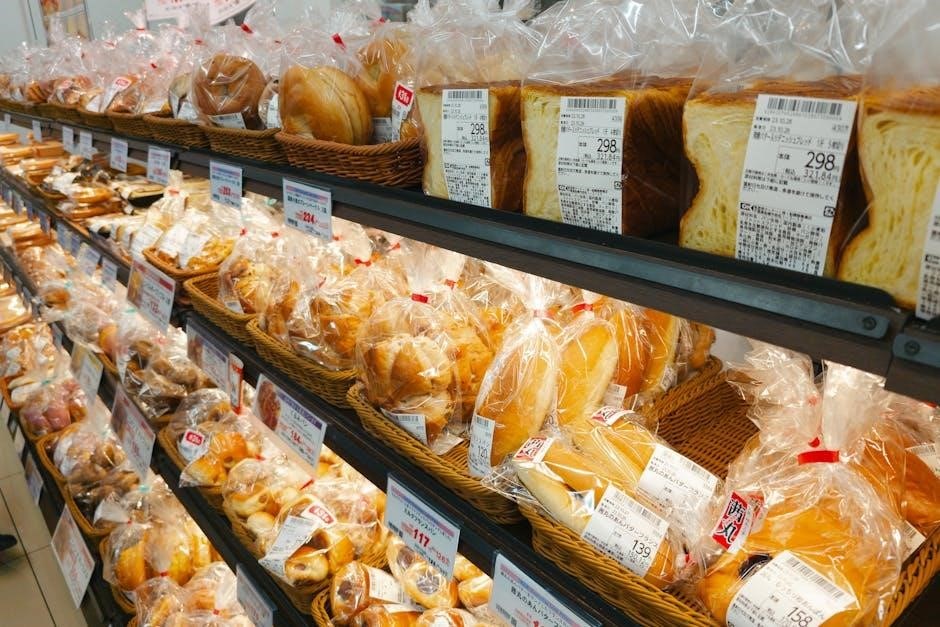
The Zojirushi BB-HAC10 offers customizable firmness and crust settings‚ allowing bakers to tailor loaves to their preferences. Firmness settings control the density of the bread‚ ranging from soft to hard. Softer settings yield a lighter‚ more delicate crumb‚ ideal for sandwiches‚ while harder settings create a denser loaf suitable for toast or heartier breads.
Crust settings dictate the color and texture of the loaf’s exterior‚ spanning from light to dark. Lighter crusts are softer and less crunchy‚ while darker crusts provide a bolder flavor and satisfying crispness. The manual provides specific timings associated with each setting‚ offering a starting point for experimentation.
Beyond these presets‚ experienced users suggest that mastering these settings requires observation and adjustment. Consider flour type and kitchen humidity when selecting firmness and crust levels‚ as these factors influence the final outcome. Don’t hesitate to experiment to discover your perfect loaf!
Advanced Baking Tips
Timing is crucial during baking‚ especially post-stir down‚ before the final rise—work swiftly to retain heat. Prioritize long-term machine maintenance for continued‚ reliable performance and delicious results.
Timing Considerations During the Baking Process
Understanding the timing within each cycle is key to mastering your Zojirushi BB-HAC10. Users highlight a critical moment right after the second knead/stir down‚ just before the third rise commences. This is when intervention‚ if needed‚ should occur‚ but speed is essential. You must work quickly to avoid losing the accumulated heat vital for a successful final rise.
The machine’s manual provides detailed timings for each firmness and crust setting‚ allowing for customization. However‚ experienced bakers note that many pre-programmed settings beyond firmness‚ crust‚ gluten-free‚ and specific French bread styles aren’t particularly useful. The French Bread setting‚ for example‚ provides a total cycle time of approximately 5 hours when baking sourdough‚ demonstrating the importance of selecting the appropriate program.
Remember that the initial 15-minute period allows ingredients to reach room temperature before the main cycle begins. Paying attention to these timings‚ and adjusting based on your specific recipe and desired outcome‚ will significantly improve your baking results.
Long-Term Machine Maintenance
The Zojirushi BB-HAC10 is renowned for its durability‚ with many users reporting 15+ years of reliable service. However‚ consistent care is crucial for longevity. While specific maintenance routines aren’t extensively detailed in user feedback‚ the machine’s robust construction suggests a focus on basic cleanliness. Regularly wiping down the exterior and ensuring the kneading paddle and pan are thoroughly cleaned after each use are fundamental.
Given the machine’s age and potential for wear and tear‚ periodic inspection of the power cord and internal components (if comfortable and knowledgeable) could prevent future issues. Users haven’t reported frequent repairs‚ indicating inherent reliability. However‚ proactive cleaning and careful handling will undoubtedly extend the machine’s lifespan.
Ultimately‚ treating the BB-HAC10 with respect – avoiding harsh cleaning agents and ensuring proper ventilation – will contribute to years of delicious‚ homemade bread.